Because Your Backyard Should Be the Hottest Bird Bistro in Town
Ever wonder why the neighbor’s yard is bustling with our chirping feathered friends while yours remains almost eerily silent? Are the birds throwing an exclusive party and you didn’t make the guest list?
Hardly. You’re about to become the most popular bird host in town.
Creating a bird-friendly environment at home isn’t just about tossing out a handful of seeds and hoping for the best. (Please don’t do that. It can attract other critters you really don’t want to see.)
Most birds do have standards, whether they realize it or not. They want good food, fresh water, cozy accommodations, and a predator-free hangout spot. Basically, they want what we’d call a five-star experience.
Here’s how to give it to them.
1. Serve up a Gourmet Menu
Birds are a lot like us. Some prefer fine dining, while others are happy with fast food. But if you want a variety of birds visiting your yard, mix it up and offer both.
Here are some of the more popular choices:
-
Black oil sunflower seeds – The equivalent of an all-you-can-eat buffet for most songbirds.
-
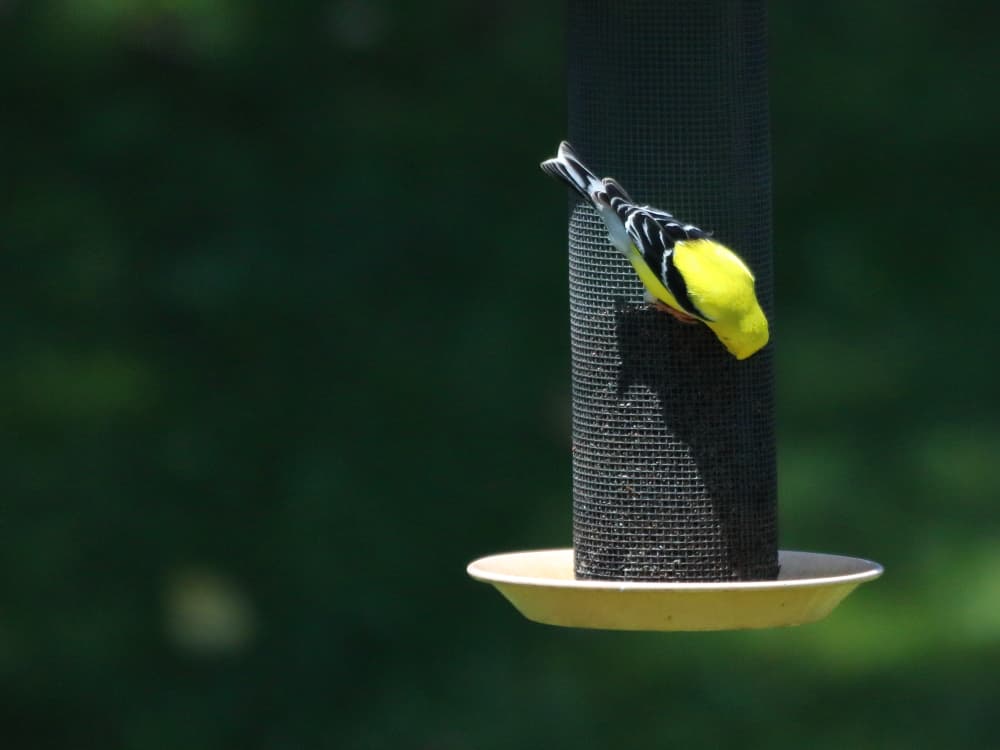
Nyjer seeds – Goldfinches love these. And let’s be honest, goldfinches are adorable.
-
Suet cakes – A (winter) treat packed with energy. Think of it as a bird’s version of a holiday feast. And not just for the woodpeckers.
-
Fruit & nectar – Orioles and hummingbirds will RSVP almost immediately if you put out oranges, grapes, or a good sugar-water mix. You just have to be on the alert if you want to see them.
Avoid bread, raw rice, and overly processed foods. They might eat them, but it’s like inviting them over for stale crackers and expired cheese. It’s just not a good look.
2. Hydration Station: Bird Bath Edition
Birds need fresh water, and a simple birdbath can turn your yard into the go-to watering hole.
Here’s how to make it irresistible:
-
Keep it shallow (about 1-2 inches). Birds like a good soak, not deep-sea diving.
-
Change the water regularly, because nobody likes a grimy bathtub.
-
Add a small fountain or dripper, if you can. Birds love moving water. It’s like a VIP feature at their favorite spa.
Advanced Technique: In winter, a heated birdbath makes you the birdie equivalent of a luxury ski resort.
3. Real Estate for the Feathered Folk
Birdhouses are a great way to get nesting birds to stick around. But remember, they can be picky about their homes.
-
Hole size matters – A tiny entrance keeps out bullies (like starlings) and lets smaller birds nest safely.
-
Good ventilation & drainage – No one wants to live in a swampy, overheated mess.
-
Placement is key – Keep houses away from busy areas, preferably in a shady, predator-free zone.
If you plant native trees and shrubs, you’ll provide birds with natural nesting spots too. Think of it as offering both high-rise apartments and cozy countryside cottages.
Personally, I don’t have any houses, but I do have the benefit of a huge maple tree my grandmother gave me as a sapling over 30 years ago. (As far as I know, it only has a squirrel nest in it.)
4. Keep the Furry Fiends in Check
You may think cats are adorable, but they’re also stealthy little hunters. If you have an outdoor cat, consider keeping them inside during peak bird hours (early morning and evening). You can also:
-
Put bells on cat collars (though some cats still manage ninja-level sneaking).
-
Position feeders high up and away from easy ambush spots.
-
Use baffles on poles to keep squirrels from launching their own bird-feeding heists.
5. Go Native with Plants
Birds don’t just visit for food and water. They also need shelter and a safe space to chill. Native plants provide that naturally.
-
Berry-producing bushes (like serviceberry or elderberry) give birds an organic food source.
-
Flowers attract insects, which means more protein for bug-loving birds like warblers and wrens. Especially the red blossoms will also attract hummers.
-
Trees with dense foliage (like evergreens) offer protection from weather and predators.
Plus, native plants require less maintenance and don’t turn into the garden equivalent of a high-maintenance houseguest.
6. Ditch the Chemicals
Pesticides and herbicides might keep your lawn looking pristine, but they’re terrible for birds. Those chemicals kill the insects birds rely on for food. And let’s be honest, birdwatcher, would you rather have a few extra bugs or no birds at all?
Go organic, embrace a little mess, and let nature do its thing. Your birds will thank you (perhaps not personally), and you might even start enjoying the sight of a few harmless caterpillars munching on leaves.
7. Be Patient and Enjoy the Show
Once you’ve set up your bird-friendly oasis, give it some time. Birds have to discover your offerings, spread the word, and decide if your yard meets their standards. But when they do, you’ll have a front-row seat to nature’s best entertainment—fluffy fledglings learning to fly, hummingbirds dueling like tiny Jedi, and cardinals adding a pop of color to your winter landscape.
Before long, you’ll be the go-to hangout spot for your neighborhood’s feathered VIBs. So sit back, grab a pair of (good) binoculars, and enjoy the chirping, fluttering, and occasional bird drama.
Welcome to the wonderful world of backyard birding!