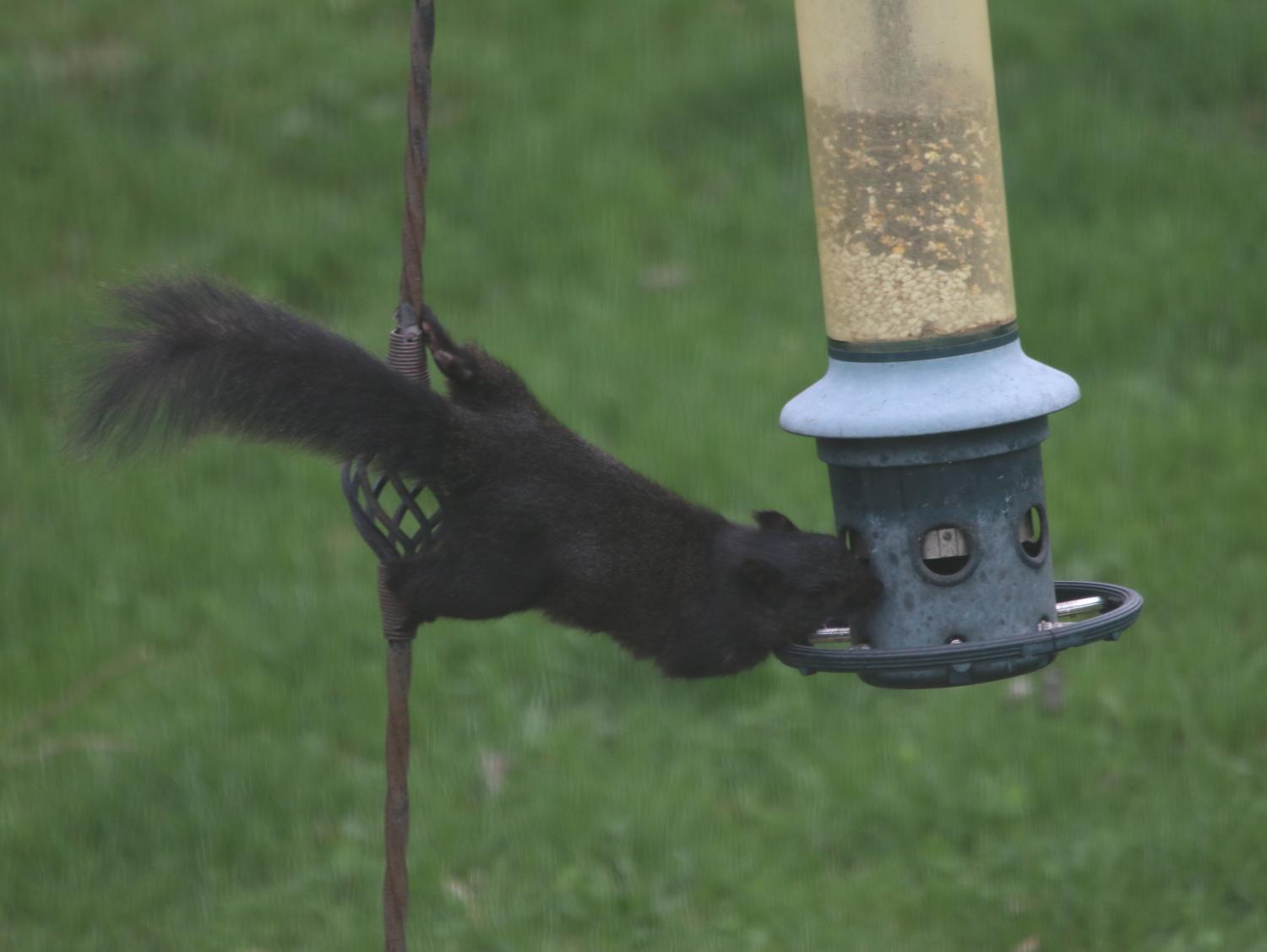
If you put out a bird feeder, there is a good chance the squirrels will notice it before the birds do.
They are remarkably good at finding bird feeders, remarkably persistent once they do, and completely unimpressed by the fact that you intended the food for someone else.
This can be frustrating. A squirrel can empty a feeder surprisingly quickly, scatter seed across the ground, chew on things you wish it wouldn't, and occasionally sit there looking at you as if you are the one who made a poor decision.
The good news is that you don't have to wage war on the squirrels.
A few simple changes can make your bird feeder more bird-friendly while keeping the squirrel situation manageable.
Start With the Feeder Location
Where you put the feeder matters almost as much as what kind of feeder you use.
Squirrels are excellent climbers and jumpers. If your feeder is hanging from a tree branch, they may have a convenient highway straight to the food.
Try to place feeders away from structures and branches that squirrels can use to launch themselves onto the feeder.
If you're using a pole-mounted feeder, positioning it away from trees, fences, decks, and other climbing routes can help.
There isn't always a perfect location. Your backyard may not cooperate with your plans. But even moving a feeder a few feet can sometimes make a noticeable difference.
Consider a Squirrel-Resistant Feeder
Some feeders are designed specifically to discourage squirrels.
Caged feeders are one option. The cage is large enough for smaller birds to reach the seed but keeps larger animals outside.
Weight-sensitive feeders are another. They are designed to close the feeding ports when something heavier than a bird lands on the perch.
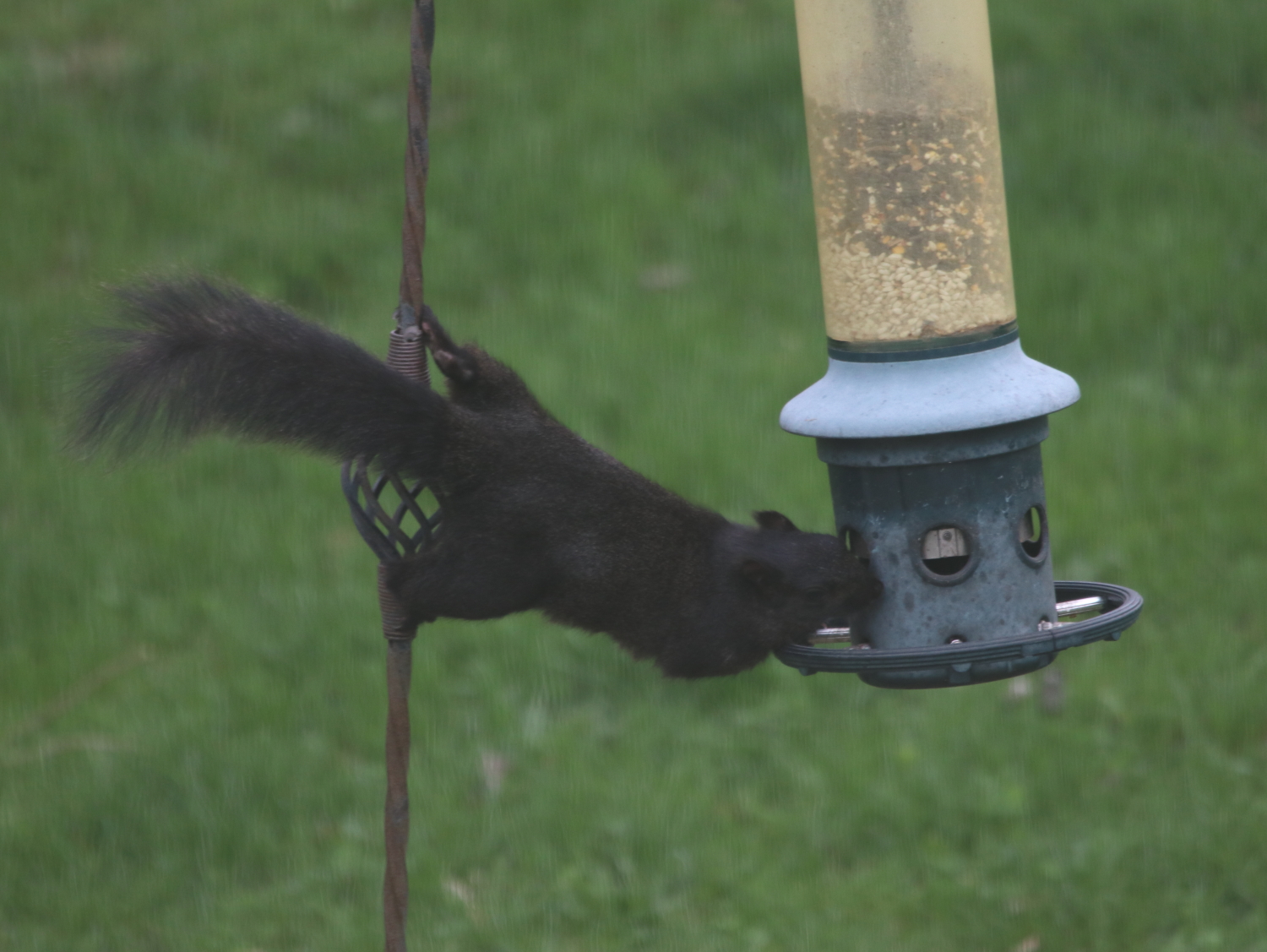
Neither type is completely foolproof. Squirrels are persistent creatures, and some eventually figure out ways around surprisingly clever designs.
Still, a good squirrel-resistant feeder can reduce the amount of seed you're donating to the neighborhood squirrel population.
Choose Your Seed Carefully
Not every bird seed is equally attractive to squirrels.
Black-oil sunflower seed is a great all-around choice for backyard birds, but squirrels like it too. Safflower seed is sometimes useful if squirrels are becoming a particular nuisance. Many birds will readily eat it, while some squirrels are less interested in it.
That doesn't mean squirrels will suddenly read the label and decide they aren't invited. They may still eat it.
The point is simply that changing the food can sometimes change the level of squirrel interest.
Don't Scatter More Food Than You Need
It's easy to keep a feeder completely full because it looks nice. But if squirrels are emptying it every day, you're essentially running an all-you-can-eat squirrel buffet.
Try putting out smaller amounts of seed and refilling the feeder more often. You'll also have a better idea of how much your birds are actually eating. This is particularly useful when you're just getting started. Your backyard may not need nearly as much seed as you think it does.
Keep the Ground Under the Feeder Clean
Squirrels aren't the only animals that notice spilled seed.
Seed accumulating underneath a feeder can attract squirrels, chipmunks, mice, and other wildlife. Some of that is perfectly natural, but a large, messy feeding area can become a problem of its own.
Clean up excess seed periodically.
This also gives you another reason to pay attention to what's happening underneath your feeder. You may discover that birds such as mourning doves, juncos, and sparrows are enjoying the leftovers.
Sometimes the "spillover" is part of the backyard bird show.
Give the Squirrels Their Own Place
If you enjoy watching squirrels—or simply want to distract them—you can consider putting a small amount of food somewhere away from your bird feeders.
Corn, peanuts, or other squirrel-friendly foods are sometimes used for this purpose.
Will it keep every squirrel away from your bird feeder?
Probably not.
A determined squirrel may happily eat its snack and then come over to see what you're serving at the bird feeder.
Still, giving squirrels another food source can sometimes reduce pressure on the bird feeder, especially if it is positioned well away from the birds' feeding area.
Think of it as diversion rather than a guarantee.
Don't Make Your Backyard a Squirrel Obstacle Course
You may see elaborate online contraptions designed to defeat squirrels.
Some are clever. Some are funny. Some look like they were designed by someone who has been personally offended by a squirrel. You don't need to build a backyard Rube Goldberg machine.
Start with the simple things:
- Move the feeder away from jumping and climbing routes.
- Use a squirrel-resistant feeder.
- Try a different seed.
- Put out smaller amounts.
- Clean up excessive seed underneath the feeder.
- Consider a separate squirrel feeding area if that makes sense for your yard.
Make one change at a time when possible. That way, you'll know what actually helped.
Remember That Squirrels Are Part of the Backyard
This is perhaps the hardest part.
If you spend time watching birds, you'll probably spend some time watching squirrels too. They're intelligent, entertaining, persistent, and very good at turning your carefully designed bird-feeding system into a personal challenge. They are also part of the wildlife sharing your backyard.
You don't have to encourage them. You don't have to love them. But you probably don't need to defeat them, either. The goal is simply to make your feeding setup work reasonably well for the birds you want to see.
Pay Attention to What Works
Every backyard is different.
The feeder that works perfectly for your neighbor may be a squirrel magnet in your yard. A seed that one backyard goes through quickly may sit untouched in another.
That's actually useful information.
Try something. Watch what happens. Make a small adjustment. Over time, you'll learn what works for the birds that visit your particular yard.
And this is where backyard birding gets interesting.
You're not just filling a feeder. You're learning the habits of the little community outside your window.
Who arrives first? Who waits until everyone else leaves? Which birds feed on the ground? Which birds ignore the feeder completely? And, of course, which squirrel has apparently made your bird feeder its life's work?
That's part of the fun.
You don't need a perfect backyard. You just need to pay attention to the one you have.
Notice. Record. Remember.