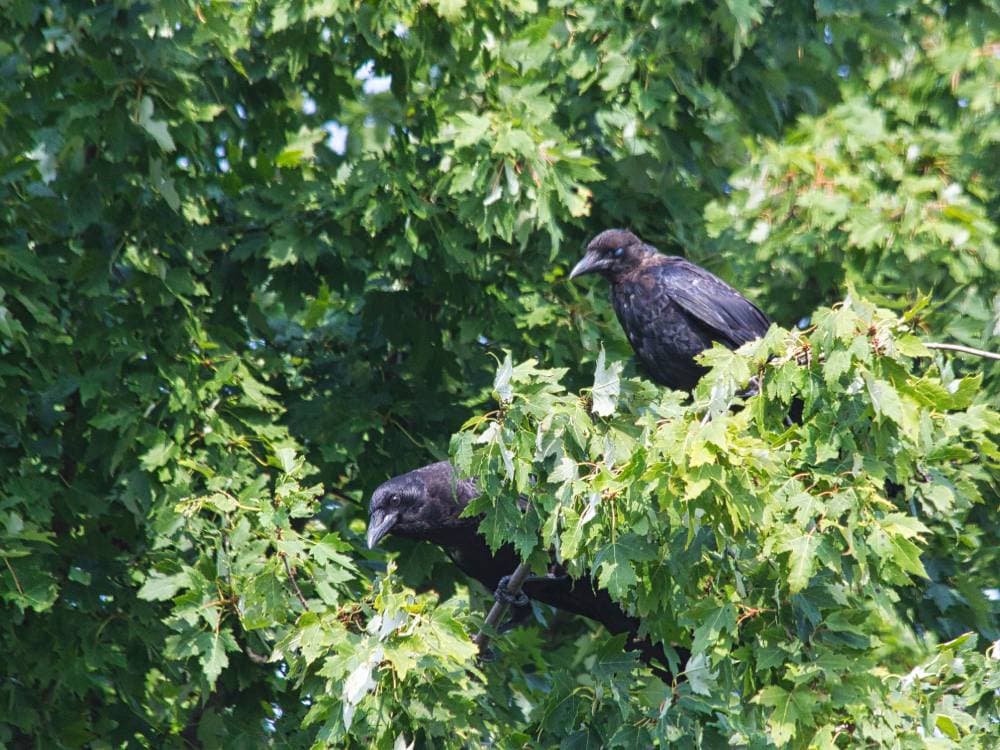
So, you’ve decided to dip your toes (or binoculars) into the wonderful world of birdwatching. Good for you!
Birding is like real-life Pokémon—except the creatures don’t fit in your pocket, and you can’t battle them (unless you count aggressive Red-winged Blackbirds dive-bombing your head).
But how do you actually identify these feathered friends?
Fear not! With a little practice, you’ll soon be distinguishing between your sparrows and your starlings like a pro, without even opening your Merlin app.
Step 1: Size Matters (But Not Too Much)
The first thing to note is the bird’s size.
- Is it tiny, like a golf ball?
- Medium-sized, like a robin?
- Or huge, like that Turkey Vulture you’re hoping isn’t eyeing you as potential roadkill?
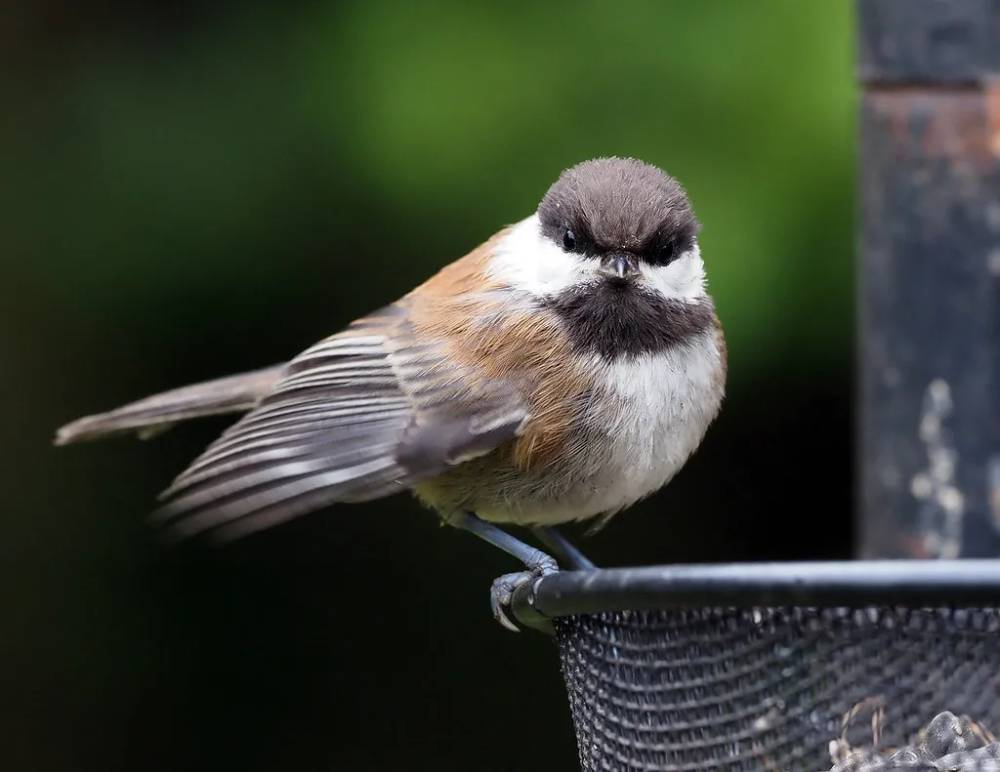
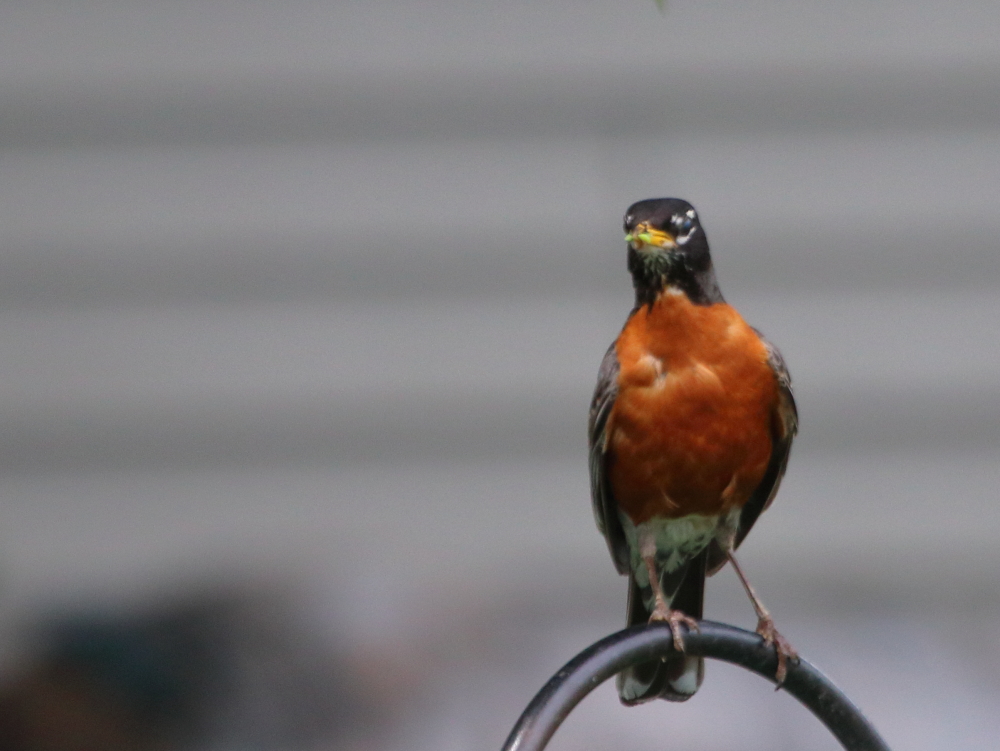
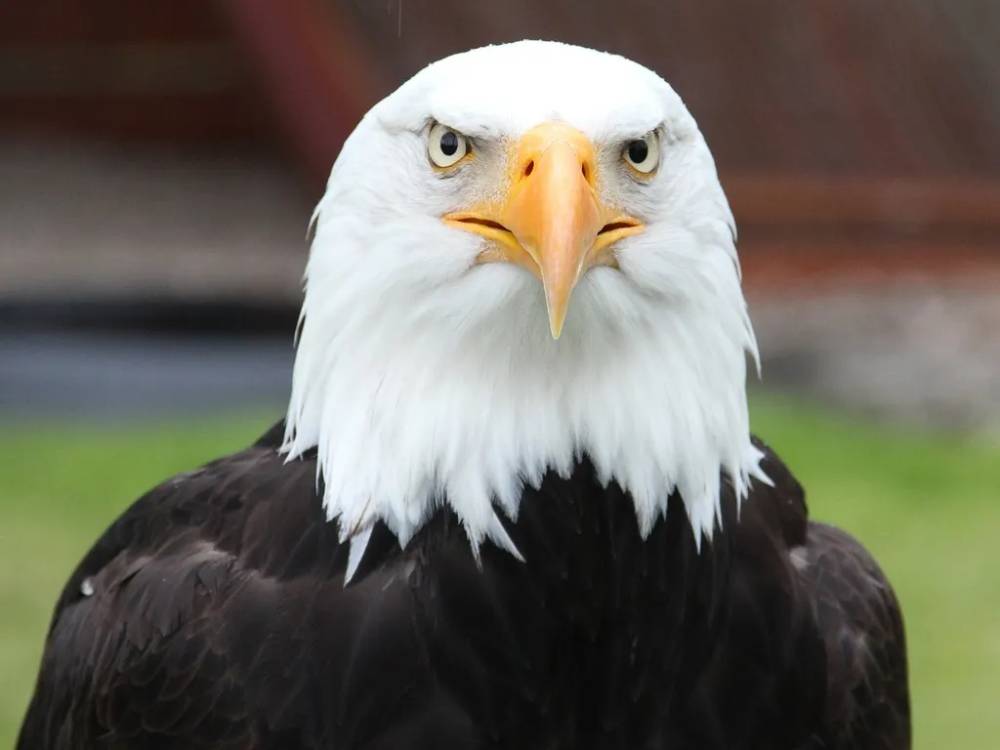
For simplicity, you can categorize birds into small (warblers, chickadees), medium (robins, jays), and large (hawks, eagles, or anything that makes your cat nervous). If you see a bird that looks like it could carry away your neighbor’s Chihuahua, congratulations—you’ve spotted a raptor.
Step 2: Shape Up!
Next, pay attention to the bird’s overall shape.
Is it plump and round, like a well-fed pigeon, or is it sleek and streamlined, like a swallow?
Some birds have distinctive silhouettes—woodpeckers have that hunched-forward look like they’re about to break into a drum solo, while ducks…well, they look like ducks.
Be sure to look at the beak too! A thin, pointy beak usually belongs to an insect eater, while a thick, seed-crunching beak means you’re dealing with a finch or a grosbeak. Hooked beak? That’s a predator. Might want to avoid making eye contact.
Step 3: Color Me Intrigued
Color is one of the most obvious ways to tell birds apart, but be careful—lighting can play tricks on you. That “bright red” cardinal might just be a weirdly lit brownish bird, and that “blue” jay might be looking extra vibrant thanks to the sun.
Still, some birds are unmistakable. Northern Cardinals are show-offs in bright red, Goldfinches wear highlighter yellow, and American Crows come in exactly one shade: ominous.
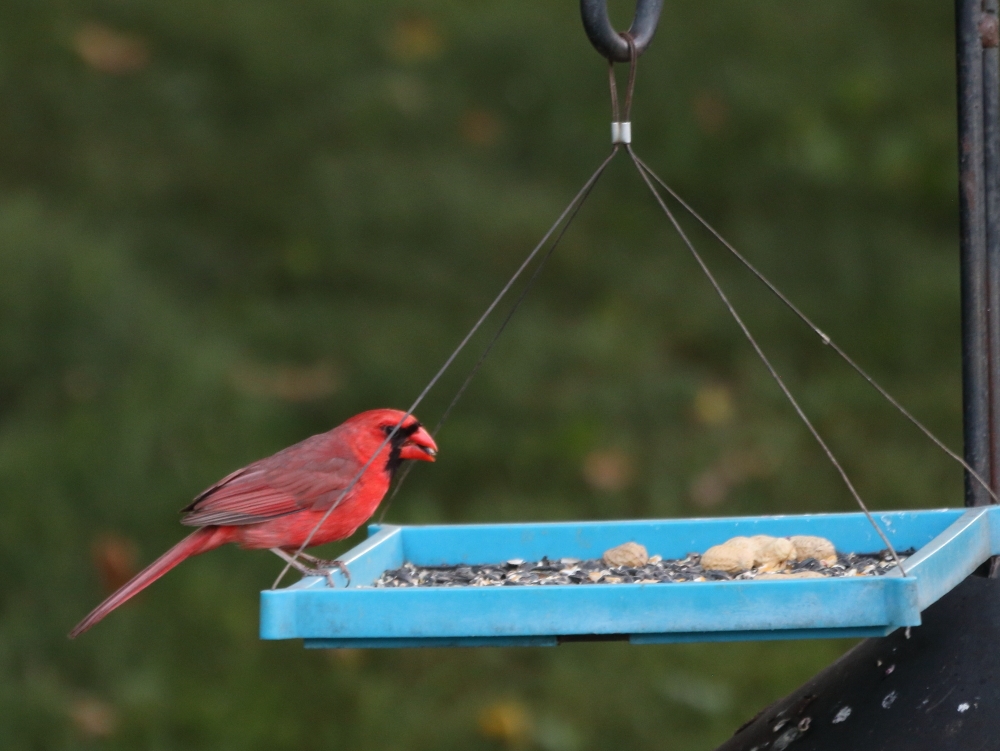
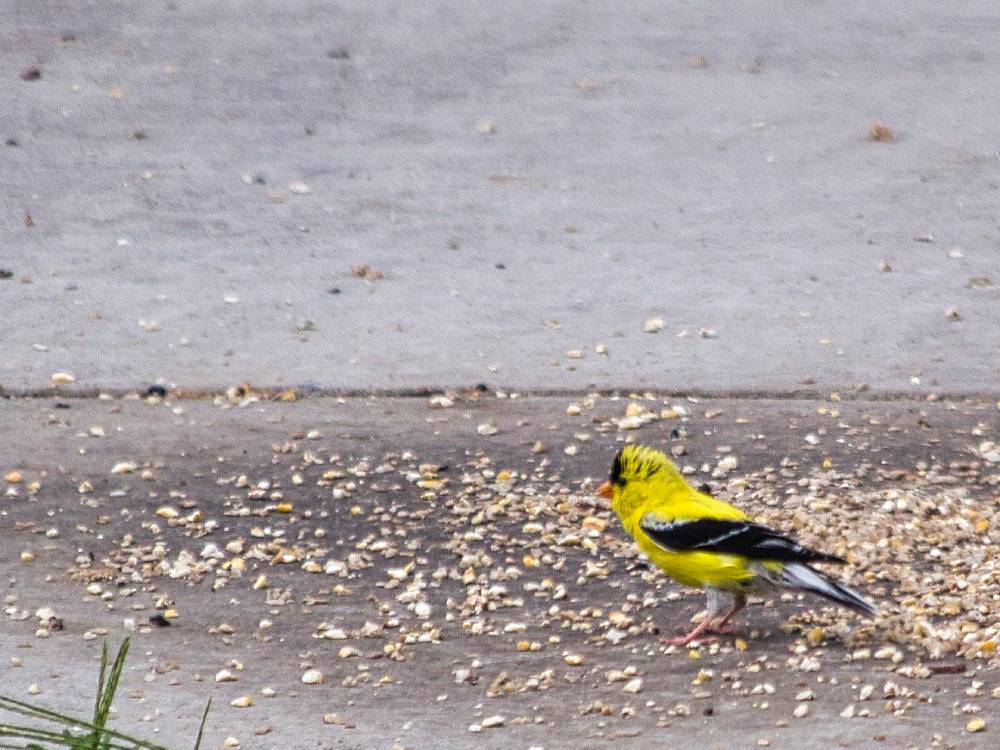
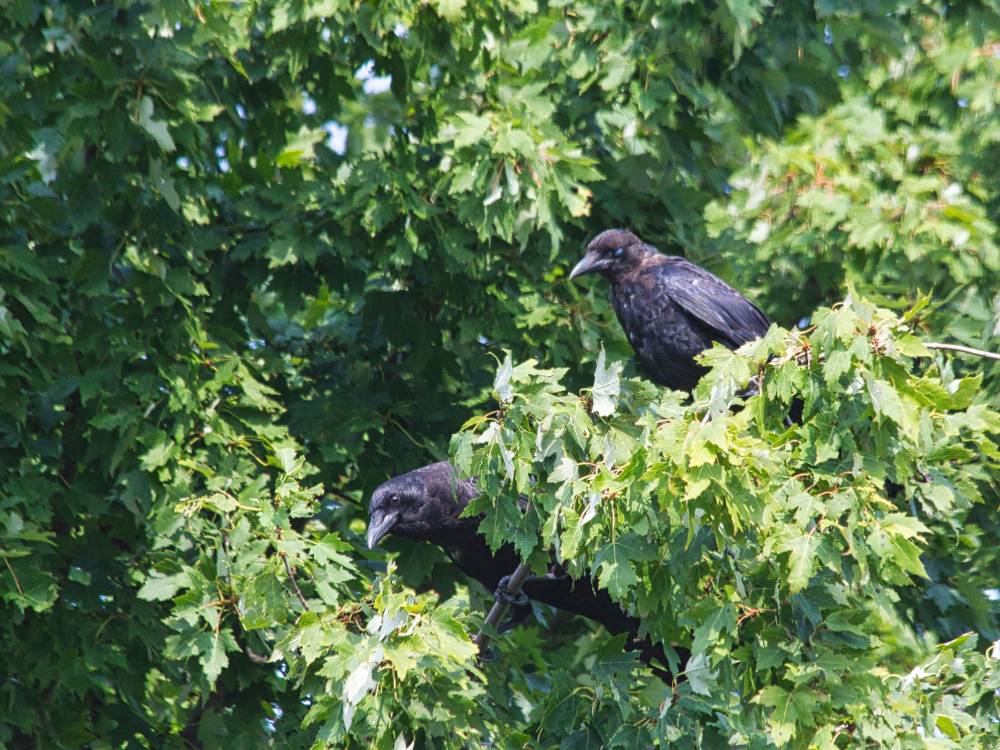
Look for patterns, too. Stripes? Spots? A cap or a bib? Some birds, like Black-capped Chickadees, look like they’re wearing tiny black hats, while others, like White-breasted Nuthatches, seem to be rocking racing stripes.
Bonus Tips for the Aspiring Bird Nerd
-
Behavior matters! Does the bird flit around nervously, like it’s had too much coffee? (Warbler.) Does it hop rather than walk? (Sparrow.) Is it staring at you like it knows your secrets? (Owl.)
-
Location, location, location! Some birds prefer deep forests, while others love hanging around suburban feeders, judging your seed choices.
-
Sounds help, too! Learn a few bird calls. You might start recognizing the “chicka-dee-dee-dee” of a Black-capped Chickadee or the “angry car alarm” sound of a Blue Jay.
-
Sketch it. With the handy journal from your Starter Kit, you might just have time to sketch a rough outline of the bird and take a couple of notes as to its size and color.
Happy Birding!
With these tips, you’re well on your way to identifying birds like a seasoned birder. So grab your binoculars, step outside, and enjoy the adventure.
Just watch out for the geese (and their droppings). They have no mercy.