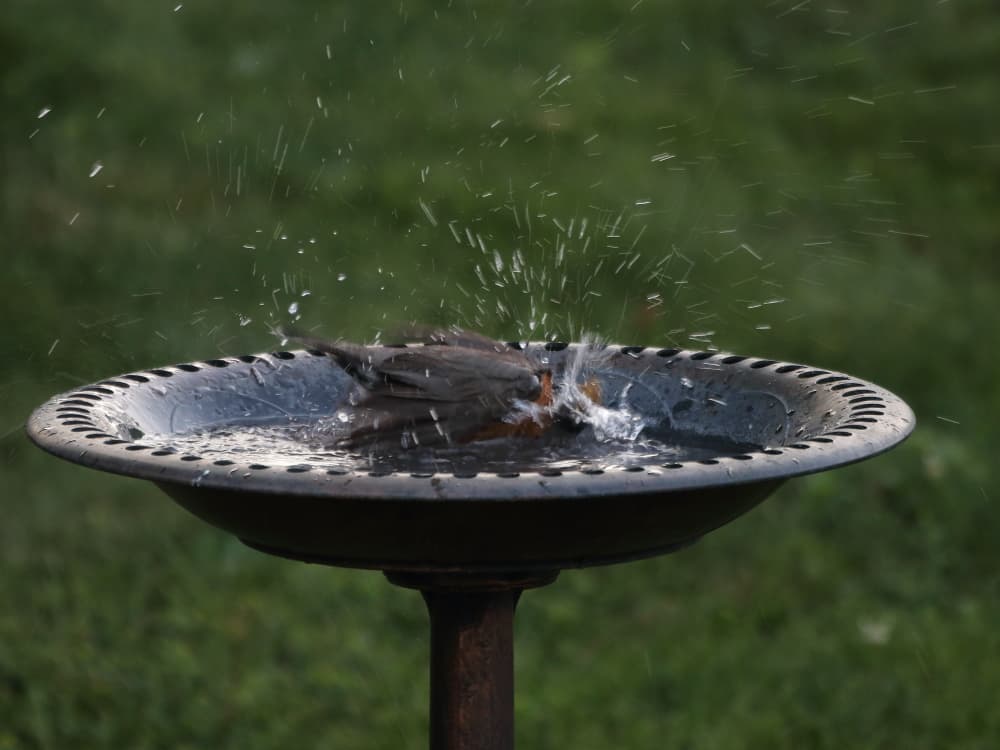
Bird photography is an exercise in patience, skill, and occasionally, sheer luck. You’re trying to capture a tiny, unpredictable subject that’s just looking for his next meal and doesn’t give a tweet about your perfect shot.
But fear not!
With a bit of know-how and a lot of persistence (and TBH, it’s mostly the persistence), you can take great bird photos without looking like a crazed person waving a camera around in the middle of the woods.
1. Get the Right Gear
A good camera with a decent zoom lens helps…a lot. Options abound here, but we’ll get into that another time.
But if all you’re working with is a smartphone, don’t despair! There are clip-on telephoto lenses that can improve how zoomed in you can get. If you’re using just a basic phone, you might need ninja-level stealth to get close enough.
2. Dress for Success (or at Least, for Survival)
Birds have incredible eyesight, so if you show up in a neon jacket, they’ll see you from a mile away (possibly literally) and disappear before you even lift your camera.
Wear earth tones and comfortable shoes. You’ll be sneaking around like a nature ninja.
Bonus tip: If you're photographing in winter, dress in layers of warmth. No shot is worth frostbite.
3. Learn to Speak Bird
Okay, you don’t actually have to chirp at them (but, hey, give it a shot if you want). But knowing their calls can help you find them.
Apps like Merlin Bird ID can help you recognize different species by sound. Plus, knowing when a bird is agitated can prevent you from accidentally photobombing an angry woodpecker’s personal space.
4. Timing Is Everything
Early mornings and late afternoons are golden hours for bird photography. (Because I’m not usually outdoors at these times, this is partly why I personally have so few good shots in the wild.)
Birds are active, the lighting is gorgeous, and you won’t have to fight off crowds of dog walkers or kids throwing bread at ducks.
5. Be Patient (Like, Really Patient)
Birds don’t care about your schedule. You might spend an hour waiting for that perfect shot, only for the bird to fly away the second you press the shutter.
Take a deep breath. Try again.
Maybe bring a snack—for yourself. Being hangry doesn’t help patience.
6. Stay Still, but Not Too Still
Birds are naturally wary of moving objects. If you suddenly lunge with your camera, they’re gone. Try moving slowly and smoothly.
That said, standing in one spot for too long might result in squirrels mistaking you for a tree. Balance is key.
True story: I’ve had birds mistake my hat for a perch while gardening.
7. Focus on the Eyes
A bird photo is only as good as the eyes. If the eyes are sharp, the photo will (usually) look amazing, even if the rest of the shot is a bit off.
If the eyes are blurry, the whole thing just feels…off. It’s like trying to have a conversation with someone who won’t make eye contact.
8. Embrace the Outtakes
For every stunning shot, you’ll probably get 50 (minimum) with blurry wings, empty branches, and birds with comically bad expressions.
Keep them. Laugh at them. Maybe even make a "Birds Looking Ridiculous" photo album. (Hmm, there’s an idea.)
9. Enjoy the Moment
Sometimes, the best part of bird photography isn’t the photo itself. It’s just being out in nature, watching birds do their thing.
So even if you come home with nothing but a memory and a record of what you saw in your Backyard Bird Tracker app, it’s still a win.
Now, grab your camera, channel your inner bird whisperer, and get out there! Just remember…if you find yourself talking to the birds too much (for a given value of too much), maybe take a break.